
Photo by Davide Murarotto on Unsplash
There's a Light / Take the Fire
Hymn composed by
Ron ParksContextual information
“There’s a Light / Take the Fire” was inspired by the UU practice of lighting a chalice at the beginning of worship and extinguishing it at the conclusion. Intended as musical bookends to the service, “There’s a Light” is a verse of affirmation and welcome, while “Take the Fire” is a proclamation that even though worship has ended, our service now begins anew as the congregation disperses into the world.
Regarding the use of “Word” in measure 17, Ron Parks writes: “Beginning with the ancient Greek philosopher Heraclitus (c. 535 – c. 475 BCE), the term ‘logos’ or ‘word’ has been used to describe a variety of concepts relating to a rational form of discourse that relies on inductive and deductive reasoning, while also referencing an ordering principle of existence and knowledge. While it has been adopted and interpreted by a number of religious traditions, my use of ‘Word’ in this context is to suggest the design, order, inter-relatedness and intrinsic worth of all things. I have capitalized it because, in my mind, it refers to this universal and specific organizational scheme for which there is no unambiguous English name.”
“There’s a Light / Take the Fire” was inspired by the UU practice of lighting a chalice at the beginning of worship and extinguishing it at the conclusion. Intended as musical bookends to the service, “There’s a Light” is a verse of affirmation and welcome, while “Take the Fire” is a proclamation that even though worship has ended, our service now begins anew as the congregation disperses into the world.
Regarding the use of “Word” in measure 17, Ron Parks writes: “Beginning with the ancient Greek philosopher Heraclitus (c. 535 – c. 475 BCE), the term ‘logos’ or ‘word’ has been used to describe a variety of concepts relating to a rational form of discourse that relies on inductive and deductive reasoning, while also referencing an ordering principle of existence and knowledge. While it has been adopted and interpreted by a number of religious traditions, my use of ‘Word’ in this context is to suggest the design, order, inter-relatedness and intrinsic worth of all things. I have capitalized it because, in my mind, it refers to this universal and specific organizational scheme for which there is no unambiguous English name.”
Tune Name
[There's a Light / Take the Fire]
Tune Name
Text Meter
Irregular
10.9.10.9
Composer
Ron ParksHymn Arranger
Composer Background information
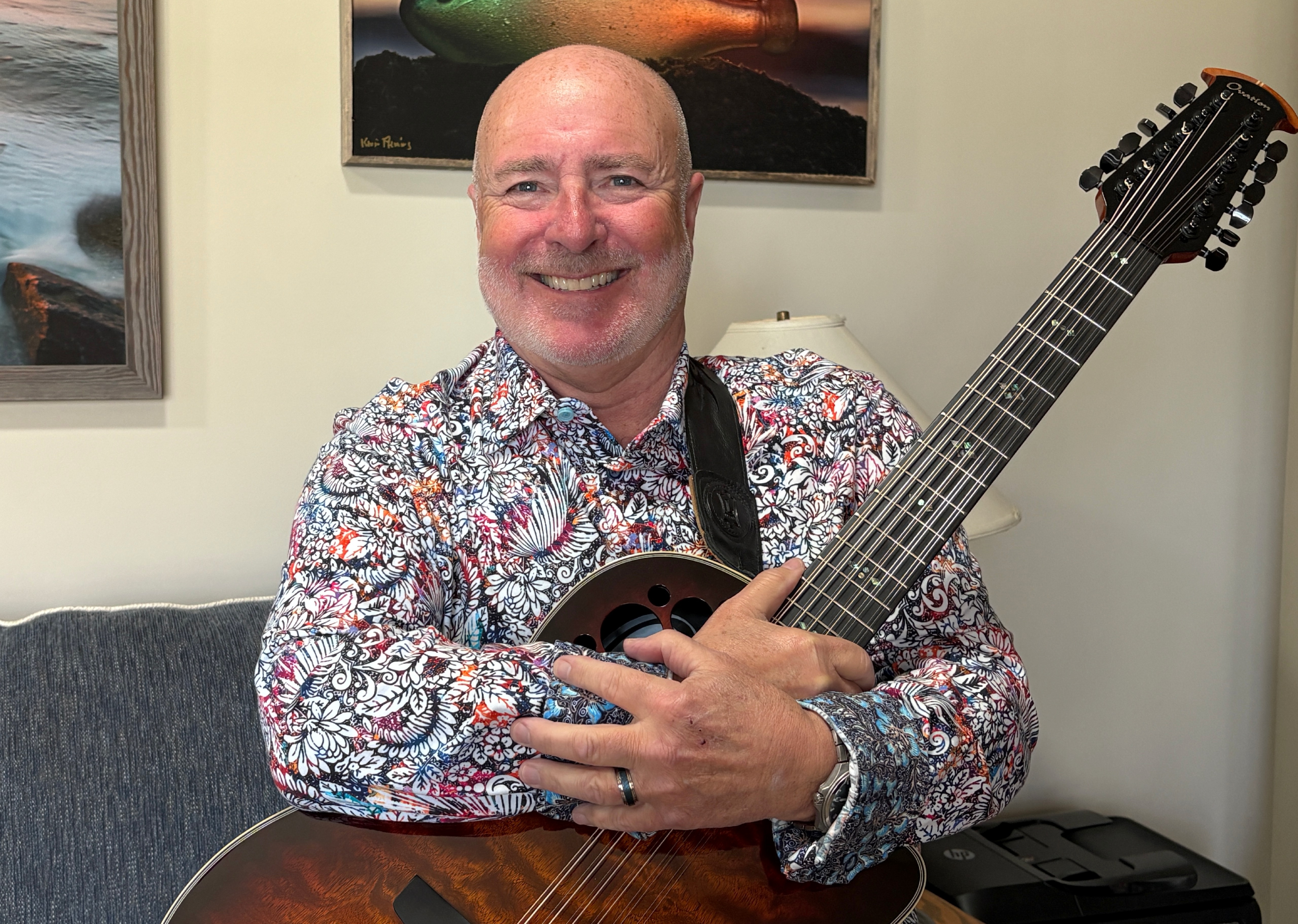
Rev. Dr. Ron Parks (he/him) is a retired United Methodist pastor who is active in the music ministry of the Unitarian Universalists of Southern Delaware congregation in Lewes, DE. In addition to serving UM churches in central Pennsylvania over four decades, he was also an adjunct faculty member at several colleges in the areas of Philosophy and World Religions and a stained glass artist. Ron and his wife Ellen are avid cyclists and live in Rehoboth Beach, DE.
Spiritual tags
Other tags
Lyricist Background information
Rev. Dr. Ron Parks (he/him) is a retired United Methodist pastor who is active in the music ministry of the Unitarian Universalists of Southern Delaware congregation in Lewes, DE. In addition to serving UM churches in central Pennsylvania over four decades, he was also an adjunct faculty member at several colleges in the areas of Philosophy and World Religions and a stained glass artist. Ron and his wife Ellen are avid cyclists and live in Rehoboth Beach, DE.
Arranger Background information
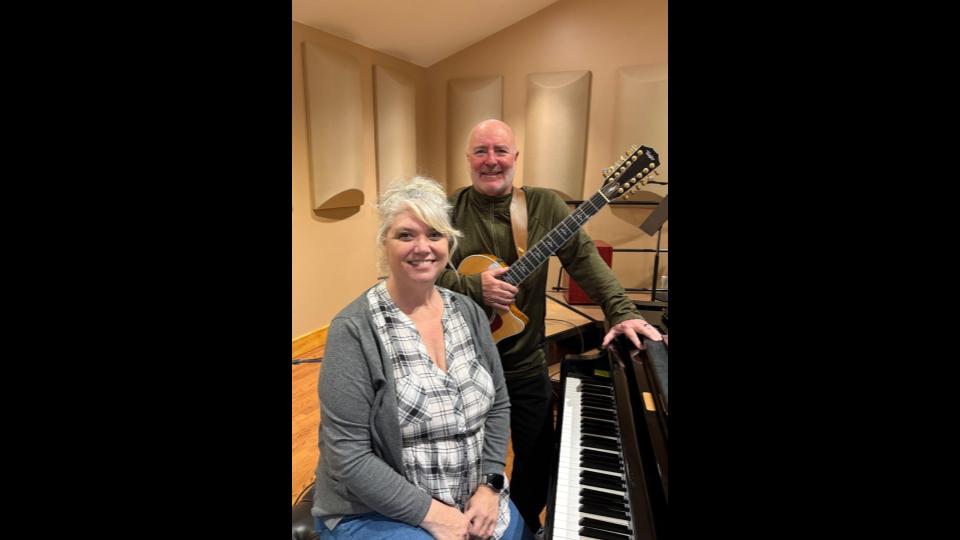
Julie Fair Keefer (she/her) is pianist, choral director, and a music educator in Southern Delaware. She serves as the Director of Music Ministries at the UUs of Southern Delaware.
Lyrics
There’s a light in this place
And it shines in ev’ry face.
It’s the fire of truth and grace for all.
May the hope we find here,
As the faithful gather near
Be the Word that conquers fear with joy.
Here we belong,
Ev’ry voice joins the song.
Many as one, clear and strong.
Welcome, faith family,
Cherish our diversity.
May our worship set us free to love.
Take the Fire
Take the fire from this place,
Let it shine on ev’ry face.
Lift the light of truth and grace for all.
Ev’ry one plays a part;
It’s our mission and our art,
As we joyously depart to serve.
Peace, blessed be,
Namaste and amen.
Seeking the path once again.
Live in love, grow in grace,
In each heart is sacred space.
With compassion we embrace the world.
Resources
Music XML and MEI and MIDI and Musescore files
Slides
Google Slides (View Only)
Other